The Comprehensive Guide to Dental Implants in 2026
How digital CBCT 3D planning, biocompatible titanium fixtures, and monolithic zirconia crowns transformed permanent restorative dentistry.
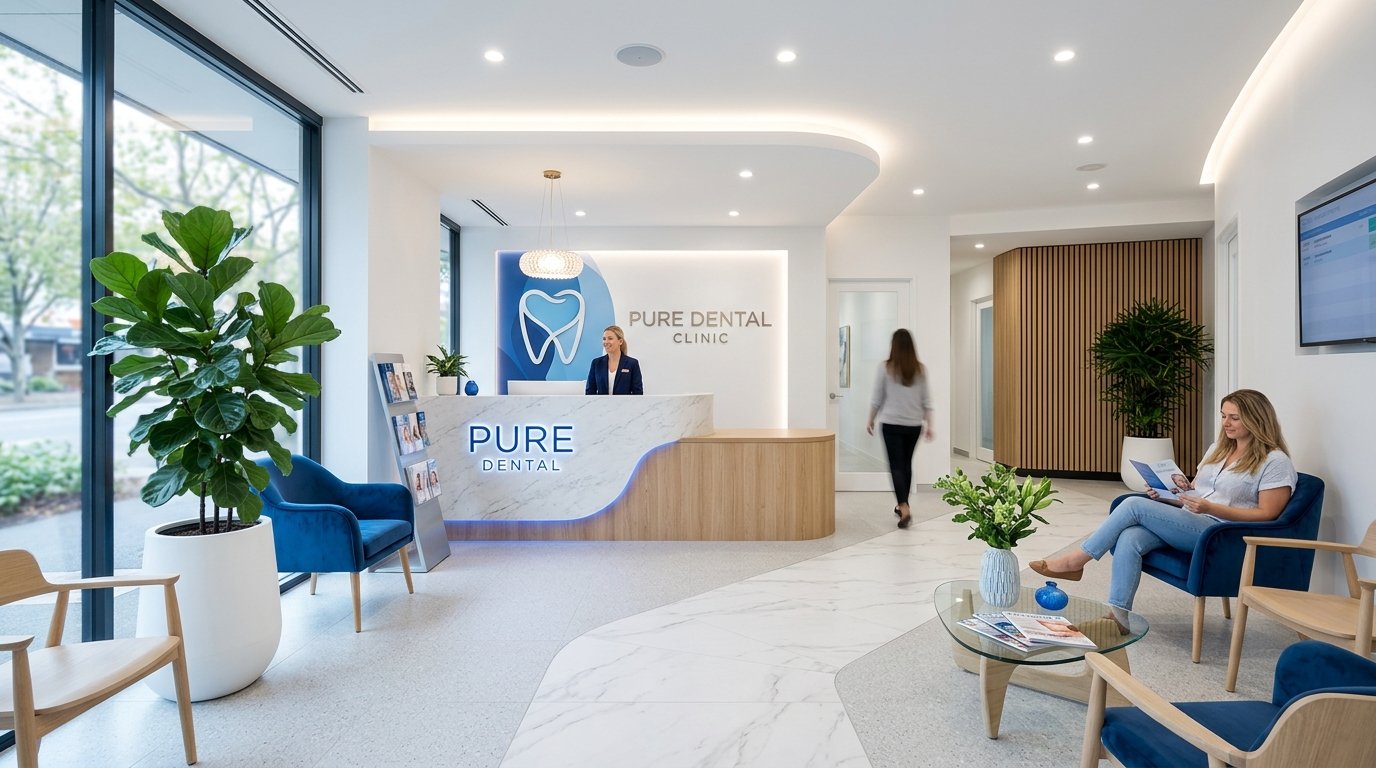
When a tooth is lost due to trauma, fracture, or severe decay, the consequences extend far beyond aesthetic insecurities. Over time, the absence of natural tooth roots causes the underlying alveolar bone to undergo resorption — losing up to 25% of its volume within the first year alone.
Traditional removable bridges and partial dentures treat the visible symptoms, but they do not arrest internal bone deterioration. Dental implants remain the only restorative treatment that stimulates jawbone remodeling while providing complete mechanical strength.
1. Anatomy of a Modern Dental Implant
A dental implant system consists of three precisely synchronized components engineered from biocompatible medical materials:
- The Titanium Fixture (Screw): Placed directly inside the bone tissue, functioning as the artificial root. Its microporous sandblasted surface encourages rapid osteoblast bonding.
- The Abutment: A connector post that attaches securely inside the implant fixture and extends through the gum line to anchor the crown.
- The Custom Prosthetic Crown: Milled from high-translucency monolithic zirconia or porcelain, custom color-matched to your surrounding enamel.
Clinical Insight: Unlike natural teeth, titanium dental implants cannot develop dental cavities. However, maintaining strict gum hygiene is crucial to prevent peri-implantitis (gum inflammation around the fixture).
2. Guided Computer Surgery: The 2026 Standard
Gone are the days of freehand implant placement based solely on two-dimensional panorex films. At DentaCare, every surgical procedure utilizes 3D Cone Beam Computed Tomography (CBCT) combined with intraoral optical scanning.
This technology produces an exact digital twin of your oral anatomy. In specialized virtual planning software, our surgeons simulate the exact angle, depth, and distance from vital anatomical structures like the inferior alveolar nerve and maxillary sinuses before the patient even reclines in the chair.
3. Recovery Timeline and Aftercare Rules
The typical recovery path following surgical placement is remarkably gentle. Most patients experience minimal postoperative soreness that subsides within 48 to 72 hours:
- Days 1 – 3: Stick to soft, nutrient-dense foods (smoothies, warm broths, yogurts). Avoid using drinking straws, as negative pressure can disturb the healing site.
- Weeks 1 – 2: Resume gentle chlorhexidine mouth rinses. Sutures are either naturally absorbable or removed during a quick checkup.
- Months 2 – 3: Osseointegration reaches full maturation. Bone tissue locks tightly around the implant threads, providing over 40 Ncm of torque stability.
- Final Delivery: The permanent monolithic crown is securely torqued and sealed. Full biting and chewing functionality is completely restored.
Did You Know? The global clinical success rate for single-tooth dental implants exceeds 98.4% over 20+ years of documented peer-reviewed follow-up.
Is a Dental Implant Right For You?
Ideal candidates are individuals in good overall health who possess adequate bone volume and healthy gum tissue. Even patients with prior bone loss can comfortably qualify after a routine sinus lift or minor bone graft.

Written by Dr. Michael Torres, DDS, MS
Chief Implantologist at DentaCare with over 16 years of reconstructive surgery practice and ADA board certification.
View Doctor Profile & Case Studies →